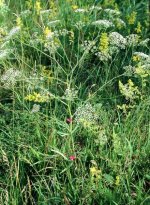
مسابقه علمی *** کی این علف هرز را می شناسه ؟

aboozar esmaili

عضو جدید
کاربر ممتاز
با اجازه طراح سوال جهت راهنمایی عرض کنم که یک گیاه دارویی مهم هم محسوب میشه، بومی آمریکا و بیشتر در مناطق شمال کشور رویش دارد...
 

* ziba *

عضو جدید
کاربر ممتاز
با اجازه طراح سوال جهت راهنمایی عرض کنم که یک گیاه دارویی مهم هم محسوب میشه، بومی آمریکا و بیشتر در مناطق شمال کشور رویش دارد...


از فک و فامیلای اسفناج و تاج خروسه ؟

من همین موقع سال یه چیزی شبیه این رو تو یه روستای نسبتا خنک اطراف قم دیدم خیلی شیبه بود ولی این گونه نبود
 

**آگاهدخت**

مدیر تالار اسلام و قرآن
مدیر تالار
سلام به همگی

از فک و فامیلای اسفناج و تاج خروسه ؟

من همین موقع سال یه چیزی شبیه این رو تو یه روستای نسبتا خنک اطراف قم دیدم خیلی شیبه بود ولی این گونه نبود


خیر خانواده
 

aboozar esmaili

عضو جدید
کاربر ممتاز
از فک و فامیلای اسفناج و تاج خروسه ؟

من همین موقع سال یه چیزی شبیه این رو تو یه روستای نسبتا خنک اطراف قم دیدم خیلی شیبه بود ولی این گونه نبود
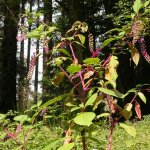
خیر از خانواده تاج خروس و اسفناج نیست، به میوه اش نگاه کنید خیلی گویاست. از خانواده Phytolaccaceae است.
 

**آگاهدخت**

مدیر تالار اسلام و قرآن
مدیر تالار
سلام به همگی

ببخشید با تاخیر پاسخ میدم


کاملا درسته مهندس زیبا .

همون طور که استاد گفتند زحمت بکشید گونه رو هم بفرمایید :)

متشکرم :gol:

استاد ممنون از راهنمایی :gol:
 
آخرین ویرایش:

* ziba *

عضو جدید
کاربر ممتاز
بله آفرین، لطفا گونه و سایر مشخصات را هم بفرمائید...

سلام به همگی

ببخشید با تاخیر پاسخ میدم


کاملا درسته مهندس زیبا .

همون طور که استاد گفتند زحمت بکشید گونه رو هم بفرمایید :)

متشکرم :gol:

استاد ممنون از راهنمایی :gol:


ممنون

phytolacca americana
 

* ziba *

عضو جدید
کاربر ممتاز
Phytolacca americana

From Wikipedia, the free encyclopedia


Phytolacca americana
Scientific classification
Kingdom:Plantae
(unranked):Angiosperms
(unranked):Eudicots
(unranked):Core eudicots
Order:Caryophyllales
Family:Phytolaccaceae
Genus:Phytolacca
Species:P. americana
Binomial name
Phytolacca americana
L.

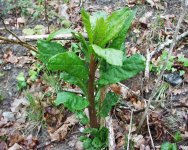
American Pokeweed (Phytolacca americana) is a large semi-succulent herbaceous perennial plant growing up to 10 feet (3 meters) in height. It is native to eastern North America, the Midwest, and the Gulf Coast, with more scattered populations in the far West. It is also known as Virginia poke,[SUP][1][/SUP][SUP][2][/SUP] American nightshade, cancer jalap, coakum, garget,[SUP][2][/SUP] inkberry, pigeon berry,[SUP][1][/SUP][SUP][2][/SUP] pocan,[SUP][2][/SUP]pokeroot,[SUP][1][/SUP] pokeweed,[SUP][1][/SUP] pokeberry,[SUP][1][/SUP] redweed, scoke,[SUP][2][/SUP] red ink plant and chui xu shang lu (in Chinese medicine).[SUP][1][/SUP] Parts of this plant are highly toxic to livestock and humans, and it is considered a major pest by farmers. Nonetheless, some parts can be used as food, medicine or poison.
The plant has a large white taproot, green or red stems, and large, simple leaves. White flowers are followed by purple to almost black berries, which are a good food source for songbirds such as Gray Catbird, Northern Cardinal, Brown Thrasher, and Northern Mockingbird.

Morphology

Plant Type: Perennial herbaceous plant which can reach a height of 10 feet, but is usually four to six feet. The stem is often red as the plant matures. Upright, erect central stem early in the season. Changes to a spreading, horizontal form later in the season with the weight of the berries. Plant dies back to roots each winter. Stem has chambered pith.[SUP][citation needed][/SUP]
Leaves: The leaves are alternate with coarse texture with moderate porosity. Leaves can reach sixteen inches in length. Each leaf is entire. Leaves are medium green and smooth with what some characterize as an unpleasant odor.[SUP][citation needed][/SUP]
Flowers: The flowers have 5 regular parts with upright stamens and are up to 0.2 inches wide. They have white petal-like sepals without true petals, on white pedicles and peduncles in an upright or drooping raceme, which darken as the plant fruits. Blooms first appear in early summer and continue into early fall.[SUP][citation needed][/SUP]
Fruit: A shiny dark purple berry held in racemous clusters on pink pedicels with a pink peduncle. Pedicles without berries have a distinctive rounded five part calyx. Berries arepomes, round with a flat indented top and bottom. Immature berries are green, turning white and then blackish purple.[SUP][citation needed][/SUP]
Root: Thick central taproot which grows deep and spreads horizontally. Rapid growth. Tan cortex, white pulp, moderate number of rootlets. Transversely cut root slices show concentric rings. No nitrogen fixation ability.[SUP][3][/SUP][SUP][1]
[/SUP]
Habitat and range

Broadly distributed in fields and waste places, and usually found in edge habitats. The seeds do not require stratification and are dispersed by berry-feeding birds. Adapted to coarse or fine soils with moderate moisture, high calcium tolerance but low salinity tolerance, pH tolerance from 4.7-8. Grows well in sun or shade and readily survives fire due to its ability to resprout from the roots. In recent years the plant appears to have increased in populated places. Found in most of the United States except the Mountain States, Alaska and Hawaii.[SUP][1][/SUP][SUP][4]
[/SUP]
Known constituents

[SUP][1][/SUP][SUP][5][/SUP]
Triterpene saponins: Phytolaccoside A,B,C,D,E,F,G (esculentoside E), phytolaccagenin, jaligonic acid, esculentic acid, 3-oxo-30-carbomethoxy-23-norolean-12-en-28-oic acid, phytolaccagenic acid, oleanolic acid.[SUP][6][/SUP]
Triterpene alcohols: alpha spinasterol, alpha spinasteryl-beta-D-glucoside, 6 palmityl-delta7-stigmasterol-delta-D-glucoside, 6 palmytityl-alpha-spinasteryl-6-D-glucoside.
Other: phytolaccatoxin, canthomicrol, astragalin, protein PAP-R, mitogen (Pokeweed mitogen, PMW, a series of glycoproteins), caryophyllene, lectins, tannin, starch.
Nutritional Information per 100 grams dry weight of shoots:[SUP][3][/SUP]

  • Protein: 31g; Fat: 4.8g; Carbohydrate: 44g; Fibre: 0g; Ash: 20.2g;
  • Minerals - Calcium: 631 mg; Phosphorus: 524 mg; Iron: 20.2 mg; Magnesium: 0 mg; Sodium: 0 mg; Potassium: 0 mg; Zinc: 0 mg;
  • Vitamins - A: 62 mg; Thiamine (B[SUB]1[/SUB]): 0.95 mg; Riboflavin (B[SUB]2[/SUB]): 3.93 mg; Niacin: 14.3 mg; B[SUB]6[/SUB]: 0 mg; C: 1619 mg.
Standardization: Phytolacca is not generally standardized since it is not marketed to public and various properties are being considered for standardization for different uses. For example Phytolaccoside A,B, C et al. from leaves are being considered for antiviral use and Pokeweed antiviral protein, with subtypes taken from leaves in different seasons for AIDS. Oleanolic acid would be the constituent of choice for standardizing for the purposes of cancer since it is present in an ethanol root extract and has significant anticancer properties, for several types of carcinoma as well as leukemia.[SUP][7][/SUP][SUP][8]
[/SUP]
Toxicity

Pokeweed poisonings were common in eastern North America during the 19th century, especially from the use of tinctures as antirheumatic preparations and from ingestion of berries and roots that were mistaken for parsnip, Jerusalem artichoke, or horseradish.[SUP][9][/SUP] Deaths are currently uncommon, although there are cases of emesis and catharsis, but at least one death of a child who consumed crushed seeds in a juice has occurred.[SUP][citation needed][/SUP]
The toxic components of the plant are saponins based on the triterepene genins phytolaccagenin, jaligonic acid, phytolaccagenic acid (phytolaccinic acid), esculentic acid, and pokeberrygenin.[SUP][6][/SUP] These include phytolaccosides A, B, D, E, and G, and phytolaccasaponins B, E, and G. Phytolaccigenin causes hemagglutination.[SUP][10][/SUP][SUP][11]
[/SUP]
Uses

Food uses

Although the seeds are highly toxic, the berries are often cooked into a jelly or pie, and seeds are strained out or pass through unless bitten. Cooking is believed to inactivate toxins in the berries by some and others attribute toxicity to the seeds within the berries. The leaves of young plants are sometimes collected as a spring green potherb and eaten after repeated blanchings. Shoots are also blanched with several changes of water and eaten as a substitute for asparagus. They become cathartic as they advance to maturity.[SUP][12][/SUP] The cooked greens are sold commercially in the South, but any food use of the plant is controversial because of toxins in the plant.[SUP][citation needed]
[/SUP]
Other uses

A patent has been filed to use poke toxins to control zebra mussels.[SUP][13][/SUP]
The berries can be used as a natural dye.


[h=2]References[/h]


منبع :

http://en.wikipedia.org/wiki/Phytolacca_americana


* ziba *

عضو جدید
کاربر ممتاز
با اجازه طراح سوال، برنده مسابقه زیبا خانم هستند که ضمن تبریک به ایشون ازشون خواهش میکنم سوال بعد را مطرح بفرمایند...

مرسی مرسی :redface:

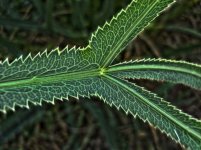
با اجازه مهندس عددی بفرمائید این چه می باشد ؟

1.jpg2.jpg
 
آخرین ویرایش توسط مدیر:

**آگاهدخت**

مدیر تالار اسلام و قرآن
مدیر تالار
سلام

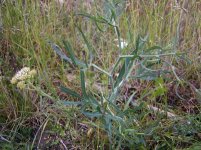
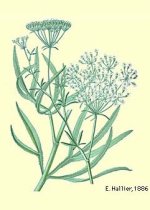
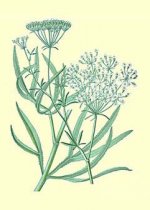
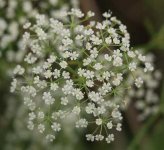
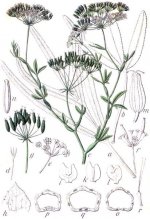
غازیاغی(غازایاغی)

گیاهی دائمی از تیره ی چتریان
ارتفاعآن 80-25 سانتی متر
برگها1تا2 برگچه ای(سه بخشی)
رستنگاه:دشت گرگان کرج شمیرانات

منبع:کتاب گیاهان هرزز ایران؛هادی کریمی
 

aboozar esmaili

عضو جدید
کاربر ممتاز
(قازیاغی، پاغازی)
Falcaria vulgaris
Goose -foot

یکساله و گاهی دوساله است. با ریشه های ضخیم و ساقه و برگ بدون کرک. اندامکهای هوایی به رنگ سبز مایل به آبی. دم میوه سست بوده و حاشیه آن هلالی شکل است. این گونه به عنوان علف هرز اراضی سنگلاخی، خاکهای رسی و آهکی، چراگاها و مزارع غلات و چغندرقند و گاهی به عنوان سبزی هم مصرف می شود.
 

**آگاهدخت**

مدیر تالار اسلام و قرآن
مدیر تالار
سلام به همه دوستان
باز هم من باید بگم:
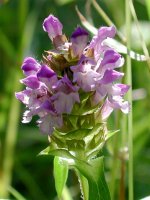
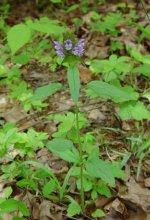
علف هرز توش (Prunella vulgaris) از تیره نعناع (Lamiaceae).

استاد سپاس :)
کاملا درسته متشکرم که پاسخ دادید ....

شبانه اومدم خودم جواب بدم وبرم:D

لطفا سوال بعد رو بفرمایید

من توضیحات رو حتما مینویسم..
 

**آگاهدخت**

مدیر تالار اسلام و قرآن
مدیر تالار
علف هرز توش (Prunella vulgaris)
از تیره نعناع (Lamiaceae
)

توش گیاهی چندساله ودائمی از تیره نعناع
تکثیر: به وسیله ی تولید ریشه ی نابجا در گره ساقه

انتشار: نیمکره ی شمالی آسیا و اروپا
خصوصیات : ساقه هایی چهار گوش ،برگها متقابل کشیده،صاف وبراق ،گلها کوچک وارغوانی یا صورتی رنگ

گل آذین:کوتاه قطور وخوشه ای

این گیاه در ایران در مراتع و چمن زارها وزمین های بایر و مرطوب می روید

منبع: گیاهان هرز ایران ،هادی کریمی
 

aboozar esmaili

عضو جدید
کاربر ممتاز
Name: Selfheal
( healall, touch and heal )

Latin name: Prunella vulgaris L.

Occurrence: Selfheal is a perennial found in grassland, lawns, wood clearings, field margins and rough ground. It is abundant in grassy places except the most acid. It is sometimes an aggressive weed in short or open turf. Selfheal is common throughout Britain and is recorded up to 2,480 ft. Selfheal has some tolerance of shade but prefers a vegetation cover reduced by grazing or cutting.

Selfheal is morphologically plastic and the growth habit is affected by grazing intensity and by climate. In lawns it has a prostrate habit, elsewhere it forms a loose clump. Some plants produce only flowering stems, a few plants have just vegetative shoots and others have a mixture of the two. This character is under genetic control. In Europe, annual and perennial races occur.

Selfheal is used medicinally as a mouthwash and gargle for throat infections.


Biology: Selfheal flowers from June to November. The flowers are self-sterile and insect pollinated. Seeds are shed from August to October. There are around 80 seeds per flower spike. The mean number per plant is 850.

The germination of selfheal seed is greater at alternating temperatures of 20 to 30°C than a constant 20°C. Seed germinates better in the light than in the dark. Germination is improved by scarification.

Seeds sown in a 75 mm layer of soil in the field and cultivated periodically emerged from February to October with peaks of emergence in April and September. Flushes tend to follow cultivations. Seedling emergence is greater in bare soil than in vegetation or leaf litter covered soil.

Shoots generally die after flowering but may regenerate from the base. Selfheal overwinters as a rosette of leaves. The new shoots elongate in late spring.


Persistence and Spread: Seeds can persist for at least 5 years in cultivated soil. Seeds have been recorded in large numbers in the soil beneath pasture even when the plant was poorly represented in the vegetation cover.

Selfheal spreads by seed. The seed was a common impurity of clover and cultivated grass seed of UK, Swedish and Danish origin.

Selfheal also spreads vegetatively by short rhizomes or stolons. It regenerates from shoot fragments if the plant is disturbed and is able to rapidly colonise cleared areas.


Management: Selfheal is not usually a problem on cultivated land.

Selfheal is often abundant in short turf where it forms large patches. In longer grass it is dominated by the taller plants. On poor land where selfheal occurs in leys and temporary pasture, control measures include a good dressing of lime. Grazing with sheep will reduce it, as will sowing clover into an infested pasture. Mowing and trampling encourages prostrate growth with the creeping stems rooting at the nodes when they touch the ground. Selfheal tolerates rabbit grazing and flourishes where the vegetation is heavily grazed by rabbits.​
 

**آگاهدخت**

مدیر تالار اسلام و قرآن
مدیر تالار
سلا دوستان گل و گلاب. خسته نباشید. بنده ابوذر اسماعیلی - کارشناس ارشد علفهای هرز با افتخار این تاپیک را با هدف آشنایی بیشتر با دنیای گونه های علفهای هرز تقدیمتان میکنم. این یک مسابقه علمی است برای محک زدن دانش گیاه شناسی دوستان از رشته های مختلف مثل زراعت، گیاه پزشکی و باغبانی و حتی زیست شناسی گیاهی. روال مسابقه هم مانند سایر مسابقات است، یعنی تصویری از یک علف هرز گذاشته میشه و دوستان باید نام فارسی رایج، نام علمی و خانواده و خصوصیات گیاه شناسی آن را بفرمایند. فکر میکنم 24 ساعت زمان برای پاسخ گویی کافی باشه. فقط چند نکته را تأکید کنم:
1- با توجه به اینکه یک علف هرز ممکن است چند اسم فارسی داشته باشه، لطفا اسم فارسی رایج را بنویسید و از ذکر نامهای محلی خودداری شود.
2- با توجه به اینکه در برخی موارد شناسایی گونه از اهمیت خاصی برخوردار است حتما نام علمی و خانواده ذکر شود.
3- بیشتر سعی شود گونه های موجود و مشکل ساز در کشور آورده شود.

​
ردیف​
نام فارسی​
نام علمی​
1​
خاکشیر بدل​
Erysimum repandum​
2​
شکر تیغال​
Echinops adenocaulos​
3​
بی تی راخ،شیر پنیر​
Galium aparine​
4​
دونیش؛ دودندان​
Bidens tripartita​
5​
ارزنی​
Scirpus dichotoma​
6​
رز ایرانیخرسگیاه ​
Hulthemia persica​
7​
دم روباهي باريك​
Alopecurus myosuroides​
8​
زنگی دارو​
Asplenium scolopendrium​
9​
کنگر صحرايي(خارلته يا خار كنگر)​
Cirsium arvense​
10​
European frogbit​
11​
Angalis arvensis ​
12​
گوش خرگوش (گوش فیلی)​
Conringia orientalis ​
13​
گندمک​
stellaria media​
14​
علف هفت بند ایرانی​
.Polygonum persicaria​
15​
قاقل​
Batis maritime​
16​
شنگ​
Tragopogon graminifolius​
17​
سل واش​
Monochoria vaginalis​
18​
گونه ای از فرفیون ها​
Euphorbia serpens​
19​
طوق​
20​
یونجه زرد یا شاه افسر​
Melilotus officinalis​
21​
Bidens pilosa​
22​
کلاه میر حسن​
Acantholimon embergeri ​
23​
گل داوديچشم خرمني​
Glebionis segetum​
24​
بذرالبنج (بنگ دانه)​
Hyoscyamus niger​
25​
اسفناج باغی ( آتریپلکس)​
Atriplex patula​
26​
جوموشی​
Bromus commutatus​
27​
چمن لرزان​
Briza minor ​
28​
ماریجوانا​
Cannabis sativa​
29​
ازمک یا موچه​
Lepidium draba یا Cardaria draba ​
30​
علف خرچنگ​
Digitaria sanguinalis​
31​
شبدرترشک​
stricta Oxalis​
32​
سوروف​
Echinochcloa crus_galli​
33​
ماستونک یا گیس چسبک​
Turgenia latifolia​
34​
گیاه گوش بره​
chrozophora tinctoria​
35​
Poa trivialis​
36​
قاشق واش (بارهنگ آبی)​
Alisma plantago –aquatica​
37​
علف مهاجر​
Galinsoga parviflora​
38​
دارواش​
Viscum​
39​
قیاق​
Sorghum halapense​
40​
خیارک​
Ixiolirion tataricum​
41​
شیرین بیان​
Glycyrrhiza​
42​
غربيلک - گزنه پنجه کلاغ - ساقه‌آغوش​
Lamium amplexicaule​
43​
خارخَسَک​
Tribulus terrestris​
44​
تلخه​
Acroptilon repens​
45​
چاودار زراعی​
Secale cereale ​
46​
تربچه وحشی​
Raphanus raphanistrum​
47​
کنجد شیطانی​
Cleome viscose​
48​
پونه​
Mentha puleguim​
49​
کنگر برگ ابلقی( ماریتیغال یا خار مریم)​
Silybum marianum​
50​
علف اسب​
Conyza Canadensis​
51​
تاجریزی سیاه​
Solanum nigrum​
52​
سل واش​
Monochoria vaginalis​
53​
گل گندم خاردار​
Centaurea calcitrapa​
54​
خردل بنفش( آبی خردل، خردل مشک)​
Chorispora tenella​
55​
Erigeron karvinskianus​
56​
Cistanche tubulosa​
57​
حلفه​
Imperata cylindrical​
58​
نیل ، سدوس​
Indigofera tinctoria​
59​
زبان در قفا یا گل ملیچی​
Consolida orientalis​
60​
Diplotaxis tenuifolia​
61​
علف غاز (ورث آبزی)​
Sphenoclea zeylanica​
62​
ارشته خطایی​
Lepyrodiclis holosteoides​
63​
Arctotheca calendula​
64​
علف تمساح​
Alternanthera sessilis​
65​
سیزاب آبزی​
Veronica anagallis-aquatica​
66​
علف کبکی​
Bongardia Chrysogonum​
67​
خرخیار​
Ecballium elaterium​
68​
شاخ به سر ( گل آفتاب رو)​
Ceratocephalus falcatus​
69​
چوبک​
Acanthophyllum squarrosum​
70​
علف سير​
Alliaria petiolata​
71​
Eclipta prostrate​
72​
سیزاب دم گربه ایی قرمز​
Veronica spicata Rotfuchs​
73​
قندیل (زرده شاهتره)​
Hypecum pendulum​
74​
آجیل مزرعه​
Neslia apicutata​
75​
گلایل وحشی )گلایل سیاه)​
Gladiolus atroviolaceus​
76​
سه چكه واش ( بند واش خشكی زی، ارزن باتلاقی)​
Paspalum dilatatum Poir​
77​
سیلن(کوزه قلیانی یا قلیانک)​
Selin spp​
78​
چسبک خزنده​
Asperugo procumbens​
79​
سياه تخمه - سياهدانه ( علف‌ چنگ - حبه سودا )​
Agrostemma githago ​
80​
سازو​
Juncus tenuis​
81​
علف هرز سرشکافته​
Cephalaria syriaca​
82​
آقطی ( پلم)​
sambucus ebulus​
83​
کنف وحشی(قوزک)​
Hibiscus trionum​
84​
قندرون (کاسنی صمغی)​
Chondrilla juncea L.​
85​
بارهنگ​
Plantago media​
86​
پیازی​
Asphodelus tenuifolius​
87​
اليوكاريس​
eleocharis palustris​
88​
شیرتیغی​
Sonchus oleraceus​
89​
گندیل​
Eleusine indica​
90​
علف قالی​
Mollugo verticillata​
91​
Dichanthium annulatum​
92​
آلاله صحرایی​
Ranunculus arvensis​
93​
ترشک​
Rumex crispus​
94​
Koeleria pyramidata​
95​
كرزا يا علف مورچه​
Cressa cretica L​
96​
هفت بند پیچکی​
Polygonum convolvulus​
Fallopia convolvulus​
97​
چشم گربه خزری​
Nonea caspica​
98​
گالی​
Sparganium erectum​
99​
علف شال دم جوپيازى​
100​
phytolacca americana​
1101​
غازیاغی​
Falcaria vulgaris​
102​
علف هرز توش
​
Prunella vulgaris​
 

آیورودا

عضو جدید
کاربر ممتاز
اسم این علف هرز چیست؟

اسم این علف هرز چیست؟

 
بالا